What are genes ?
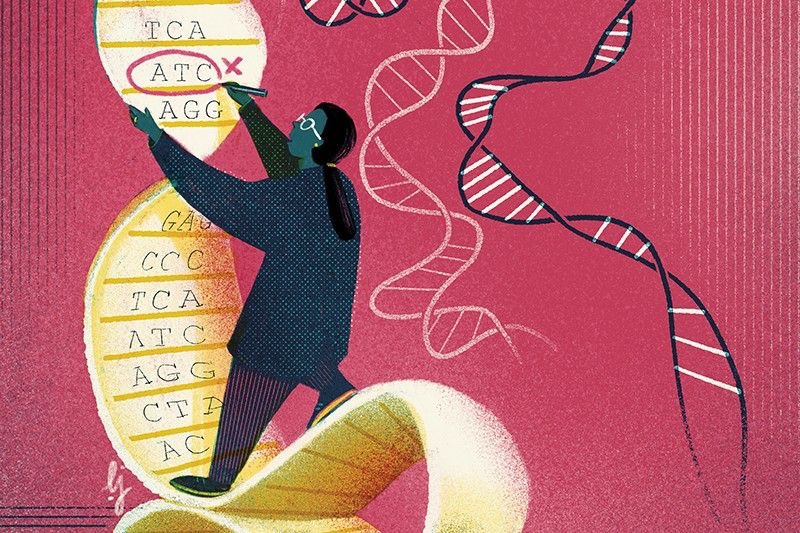
To understand how changes in genes ( mutation ) occurs, we first need to know what genes are.
Genes are the fundamental building blocks of life. They are tiny segments of DNA that contain information for the development, function, and maintenance of every living organism, genes are the units of hereditary i.e. they carry the genetic information from parents to offspring. Genes determine everything from the colour of our eyes and hair to our susceptibility to certain diseases.
The human genome, which is the complete set of genetic information for a human being, contains around 30,000 genes. Each gene is made up of a unique sequence of nucleotides, the basic building blocks of DNA. These nucleotides are arranged in a specific order that determines the function of the gene.
The study of genes, known as genetics, has revolutionized our understanding of the human body and the world around us. It has allowed us to identify and treat genetic disorders, develop new medicines, and even modify the genetic makeup of living organisms to make GMOs for producing desired traits into them.
What are mutations?
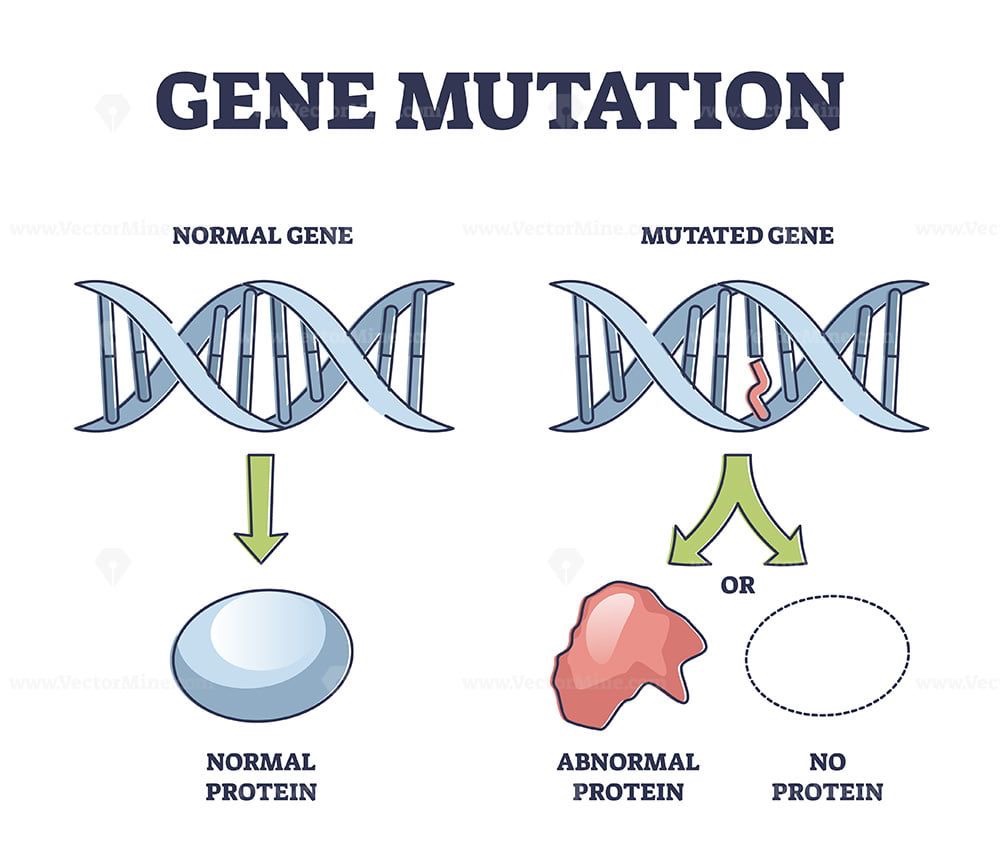
Any alterations in genetic code are called mutations, most of the time these mutations are harmful, but sometimes they can either have no effect or can have some beneficial effects.
Mutations are of two types -:
1. Chromosomal mutations
- Heteroploidy – in this type of mutation ploidy ( no. Of sets of a chromosome is changed )
- Chromosomal aberrations -: in this type of mutation size, shape or. structure of chromosomes is altered
2. Gene \ point mutation
- substitution mutation -: one nitrogen base is substituted by a different nitrogen base in a codon.
- frameshift mutation -: one nitrogen base is either added or deleted from a codon.
To prevent these mutations our cells posses many preventive and repair mechanisms.
for eg -: 99% of our DNA is composed of non-coding parts and only 1% part is what actually functions, this reduces the probability of functional parts getting damaged by a mutagen.
Diseases caused due to mutation
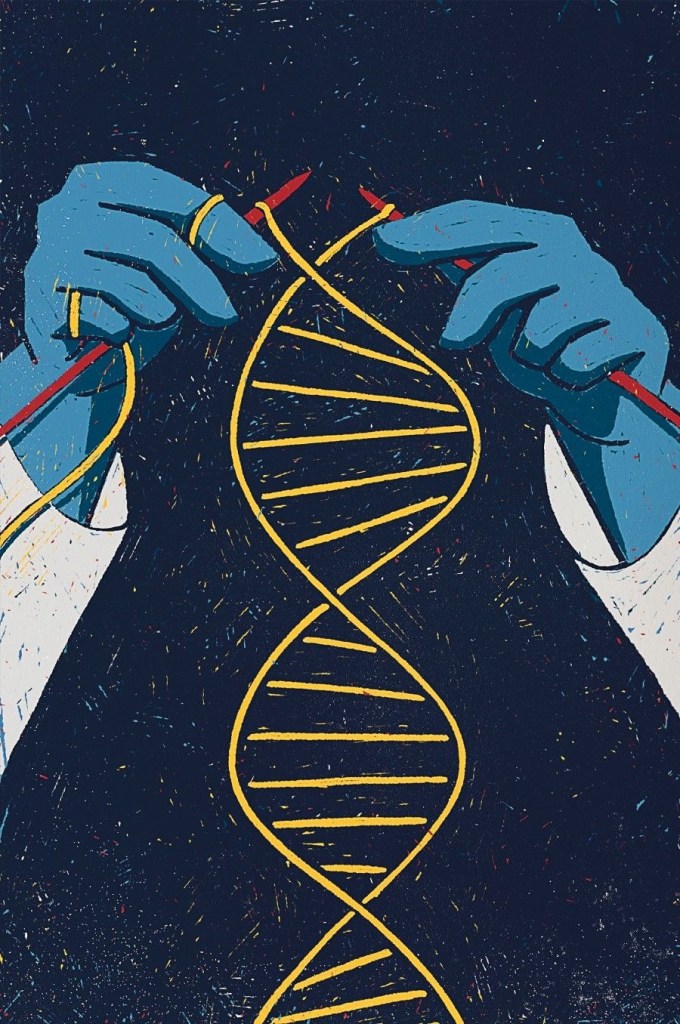
It is estimated that mutations are responsible for thousands of genetic diseases, including both rare and common conditions. The Online Mendelian Inheritance in Man (OMIM) database, which catalogues genetic diseases, currently includes information on over 8,000 diseases caused by mutations. Additionally, the Human Gene Mutation Database (HGMD) includes over 300,000 mutations associated with over 11,000 genetic diseases. These numbers continue to grow as more research is conducted on the genetic basis of disease. Some of them are mentioned below -:
- Cystic Fibrosis: This is an inherited disease caused by a mutation in the CFTR gene, which affects the production of mucus, sweat, and digestive juices. The mucus becomes thick and sticky, clogging the airways and leading to infections and lung damage. Digestive problems also occur due to the blockage of the pancreas, leading to malnutrition and growth problems.
- Sickle Cell Anemia: This is a genetic disorder caused by a mutation in the HBB gene that produces hemoglobin, a protein that carries oxygen in the blood. The mutation causes the hemoglobin to form abnormal shapes, leading to the destruction of red blood cells and a shortage of oxygen in the body. This results in symptoms such as fatigue, pain, and increased risk of infections.
- Huntington’s Disease: This is an inherited neurological disorder caused by a mutation in the HTT gene, leading to the accumulation of abnormal proteins in the brain, which damages nerve cells. This results in a range of symptoms, including movement problems, cognitive decline, and psychiatric symptoms.
- Tay-Sachs Disease: This is a rare inherited disorder caused by a mutation in the HEXA gene, leading to the buildup of toxic substances in the brain and nerve cells. This results in severe neurological symptoms, including blindness, deafness, seizures, and developmental delays.
- Hemophilia: This is a bleeding disorder caused by mutations in genes that produce proteins involved in blood clotting. Hemophilia A is caused by a mutation in the F8 gene, while Hemophilia B is caused by a mutation in the F9 gene. The lack of clotting factors leads to excessive bleeding and bruising, as well as joint damage.
- BRCA Mutations: These are mutations in the BRCA1 and BRCA2 genes that increase the risk of developing breast and ovarian cancer. Women with these mutations have a significantly higher risk of developing these cancers than the general population.
How are doctors and scientists treating these diseases
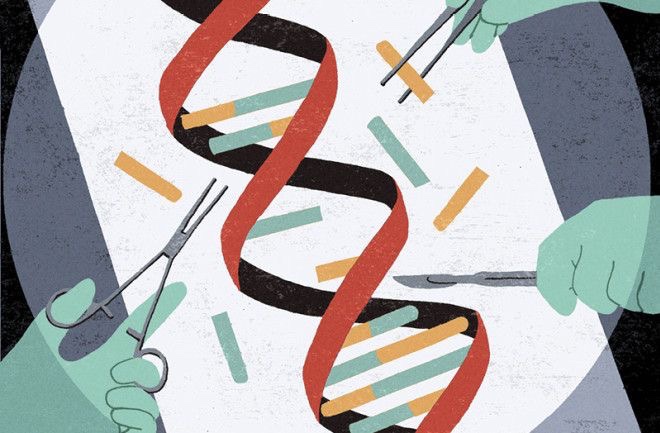
The treatment of diseases caused by mutations varies depending on the specific disease and the severity of the symptoms. Here are some common approaches used by doctors and scientists to treat these conditions:
- Gene Therapy: Gene therapy is a technique that involves introducing healthy genes into cells to replace or supplement faulty genes that are causing disease. This approach is still in the experimental stage for many diseases, but has shown promise for certain genetic disorders, such as severe combined immunodeficiency (SCID) and Leber’s congenital amaurosis (LCA).
- Enzyme Replacement Therapy: Some genetic disorders are caused by the deficiency of a specific enzyme, which can be replaced by administering the enzyme to the patient. Examples of diseases treated with enzyme replacement therapy (ERT) include Gaucher disease, Fabry disease, and Pompe disease.
- Small Molecule Therapy: Small molecules are compounds that can interact with specific proteins to correct their function or block their activity. This approach is commonly used to treat cancer and has shown promise for genetic diseases such as cystic fibrosis, Duchenne muscular dystrophy, and spinal muscular atrophy.
- Stem Cell Therapy: Stem cell therapy involves using stem cells to replace damaged or diseased cells in the body. This approach is being studied for the treatment of genetic diseases such as sickle cell anemia and beta-thalassemia.
- Supportive Care: Many genetic diseases are chronic and require ongoing supportive care to manage symptoms and prevent complications. This may include medications, physical therapy, occupational therapy, and dietary changes.
In addition to these approaches, researchers are also working to develop new therapies for genetic diseases using cutting-edge technologies such as CRISPR-Cas9 gene editing and RNA interference (RNAi). These approaches hold promise for the development of new treatments that could potentially cure or greatly improve the lives of patients with genetic diseases.


Leave a comment