
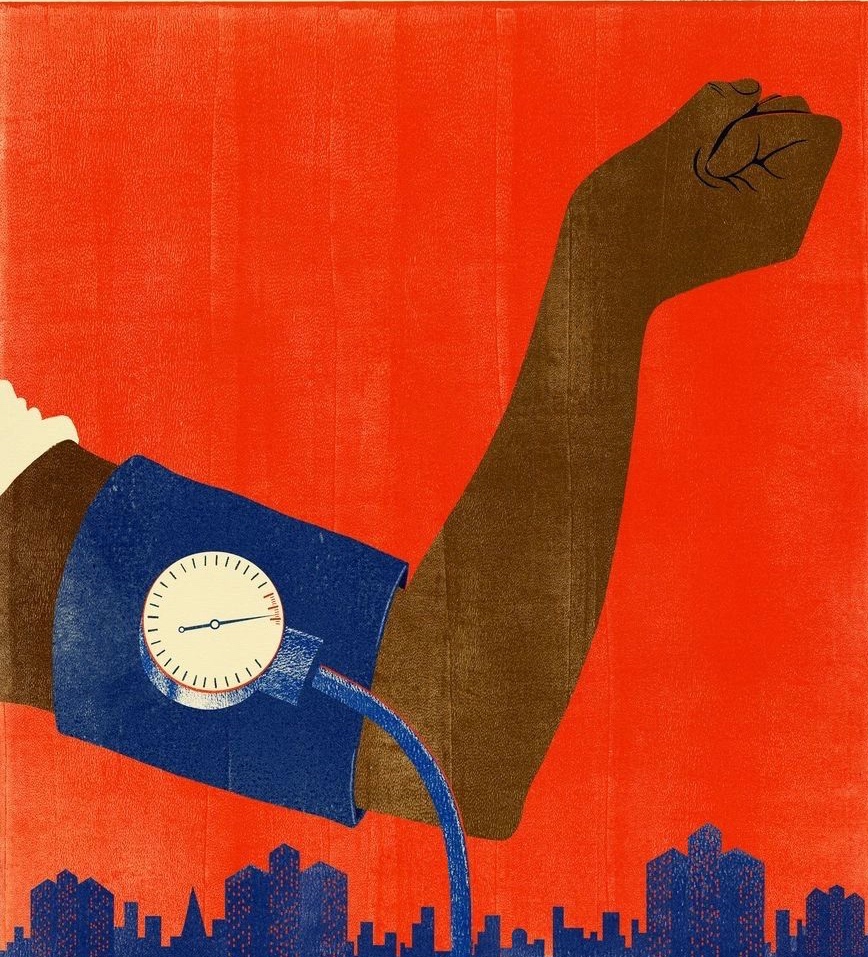
What is blood pressure?
Before diving into the abnormalities of blood pressure, lets take brief insight on blood pressure itself.
Blood pressure is a fundamental aspect of cardiovascular health. It is the force that blood exerts on the walls of the arteries as it circulates throughout the body. Blood pressure is vital for the delivery of oxygen and nutrients to the tissues and organs, as well as the removal of waste products from the body.
Blood pressure is measured in millimeters of mercury (mmHg) and consists of two values: systolic pressure and diastolic pressure. Systolic pressure is the pressure exerted on the arterial walls when the heart beats, while diastolic pressure is the pressure exerted on the arterial walls when the heart is at rest between beats.
Blood pressure that is consistently high is known as hypertension and is a major risk factor for cardiovascular disease. On the other hand, blood pressure that is consistently low is known as hypotension and can cause symptoms such as dizziness, fainting, and fatigue.
In this blog, we will explore the various causes and consequences of hypertension, as well as strategies for maintaining healthy blood pressure levels. By understanding blood pressure, we can take steps to optimize our cardiovascular health and reduce our risk of chronic disease.
What is hypertension ?
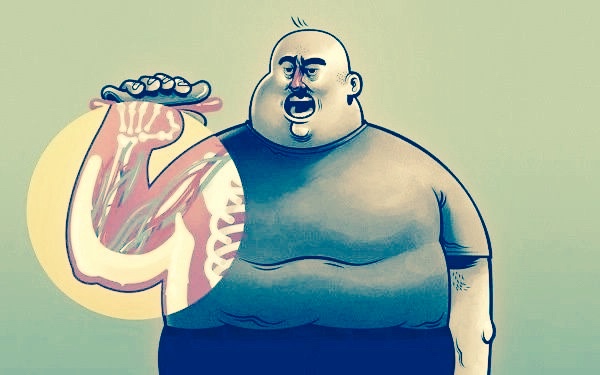
Hypertension, also known as high blood pressure, is a common condition that affects millions of people worldwide. It is defined as a systolic blood pressure of 140 mmHg or higher, or a diastolic blood pressure of 90 mmHg or higher, on at least two separate occasions. Blood pressure is measured in millimetres of mercury (mmHg), with the systolic pressure being the top number and the diastolic pressure being the bottom number.
Hypertension is often referred to as a “silent killer” because it typically does not cause symptoms until it has reached an advanced stage. However, over time, hypertension can damage the arteries and organs in the body, increasing the risk of serious health problems such as heart disorders, stroke, and kidney disorders.
Types of hypertension
There are two main types of hypertension:
- Primary (or essential) hypertension: This is the most common type of hypertension, accounting for approximately 95% of all cases. The exact cause of primary hypertension is unknown, but several factors are known to contribute to its development, including genetics, lifestyle factors (such as a diet high in sodium and low in potassium), obesity, and stress.
- Secondary hypertension: This type of hypertension is caused by an underlying medical condition, such as kidney disease, adrenal gland disorders, obstructive sleep apnea, or medications (such as birth control pills, decongestants, and nonsteroidal anti-inflammatory drugs). Treating the underlying condition can often resolve the hypertension.
In addition to these main types, there are also other subtypes of hypertension that are less common, including:
- Malignant hypertension: This is a severe and rapidly progressive form of hypertension that can cause damage to the organs and blood vessels. It requires immediate medical attention.
- White-coat hypertension: This is a condition in which a person’s blood pressure is consistently elevated in a clinical setting (such as a doctor’s office), but normal in other settings. It may be caused by anxiety or stress related to the clinical setting.
- Masked hypertension: This is a condition in which a person’s blood pressure is normal in a clinical setting, but elevated in other settings (such as at home). It may be caused by stress or other factors outside of the clinical setting.
Causes of hypertension
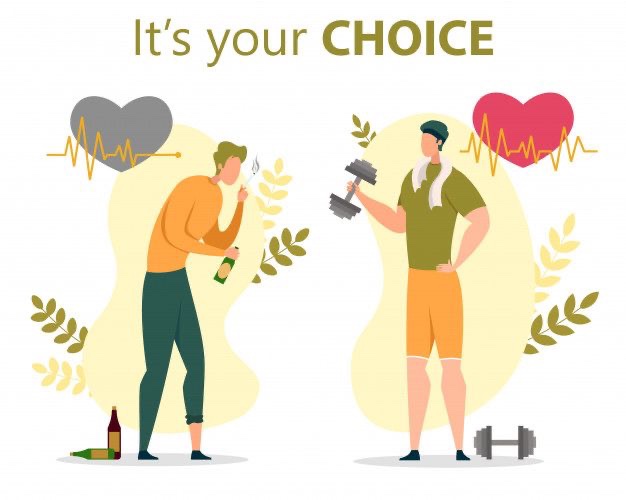
There are several factors that can contribute to the development of hypertension, including:
- Genetics: Family history of hypertension can increase the risk of developing high blood pressure. Certain genes have been identified that may be associated with hypertension.
- Age: As people get older, their risk of developing hypertension increases. This may be due to changes in the elasticity of blood vessels and other factors.
- Lifestyle factors: Unhealthy lifestyle choices, such as a diet high in sodium, low in potassium, and low in fiber, lack of physical activity, smoking, and excess alcohol consumption, can all contribute to hypertension.
- Obesity: Being overweight or obese increases the risk of hypertension. Excess body fat can increase blood pressure and cause other health problems.
- Chronic kidney disease: The kidneys play a crucial role in regulating blood pressure. If the kidneys are damaged, they may not be able to regulate blood pressure properly, which can lead to hypertension.
- Hormonal imbalances: Hormones such as aldosterone and cortisol, which regulate sodium and water balance in the body, can contribute to hypertension if they are imbalanced.
- Sleep apnea: Sleep apnea is a condition in which a person’s breathing is interrupted during sleep. It has been associated with an increased risk of hypertension.
In conclusion, hypertension is a multifactorial condition, and there are many different factors that can contribute to its development.
What makes hypertension so alarming?
Hypertension, or high blood pressure, is a serious medical condition that can have a significant impact on health and quality of life. Here are some of the reasons why hypertension is so alarming:
- Increased risk of heart disease: Hypertension can damage the arteries and increase the risk of heart disease, including heart attacks and heart failure. Over time, the increased pressure on the heart and blood vessels can cause them to weaken and become less efficient, leading to serious health problems.
- Increased risk of stroke: Hypertension is a major risk factor for stroke, which occurs when blood flow to the brain is interrupted. High blood pressure can weaken the blood vessels in the brain and increase the risk of hemorrhagic stroke, which occurs when a blood vessel in the brain ruptures.
- Risk of kidney damage: Hypertension can damage the blood vessels in the kidneys, leading to kidney disease and, in some cases, kidney failure. This can lead to the need for dialysis or a kidney transplant.
- Risk of vision problems: Hypertension can damage the blood vessels in the eyes, leading to vision problems and even blindness in some cases.
- Impact on quality of life: Hypertension can cause symptoms such as headaches, dizziness, and fatigue, which can have a significant impact on quality of life. It can also lead to anxiety and depression, particularly if it is difficult to control.
Treatments for hypertension
Hypertension, or high blood pressure, can be treated through a combination of lifestyle changes and medication. The goal of treatment is to lower blood pressure and reduce the risk of complications such as heart disease, stroke, and kidney disease. Here are some common treatments for hypertension:
- Lifestyle changes: Making lifestyle changes is often the first step in treating hypertension. This may include:
- Losing weight: If you are overweight, losing even a small amount of weight can help to lower blood pressure.
- Eating a healthy diet: A diet rich in fruits, vegetables, whole grains, and low-fat dairy products can help to lower blood pressure.
- Reducing sodium intake: Reducing sodium intake can help to lower blood pressure. Aim for no more than 2,300 milligrams (mg) of sodium per day.
- Exercising regularly: Regular physical activity can help to lower blood pressure. Aim for at least 30 minutes of moderate-intensity exercise most days of the week.
- Quitting smoking: Smoking can raise blood pressure, so quitting smoking is an important step in treating hypertension.
- Medication: If lifestyle changes alone are not enough to lower blood pressure, medication may be necessary. There are several types of medications that can be used to treat hypertension, including: ( this information is for educational purposes only, never opt for self medication, as it can be fatal, always consult with your doctor before taking any medications)
- Diuretics: These medications help to reduce the amount of fluid in the body, which can help to lower blood pressure.
- ACE inhibitors: These medications help to relax blood vessels, which can lower blood pressure.
- Calcium channel blockers: These medications help to relax blood vessels and reduce the workload on the heart, which can lower blood pressure.
- Beta blockers: These medications help to reduce the workload on the heart and slow the heart rate, which can lower blood pressure.
- Angiotensin receptor blockers (ARBs): These medications help to block the action of a hormone that can cause blood vessels to narrow, which can help to lower blood pressure.
- Combination therapy: In some cases, a combination of medications may be necessary to control blood pressure. This may include a combination of two or more medications from different classes.
It is important to work with a healthcare professional to determine the best treatment plan for your individual needs. Treatment for hypertension is often a lifelong process, so it is important to make lifestyle changes and take medication as prescribed to keep blood pressure under control and reduce the risk of complications.


Leave a comment