

History
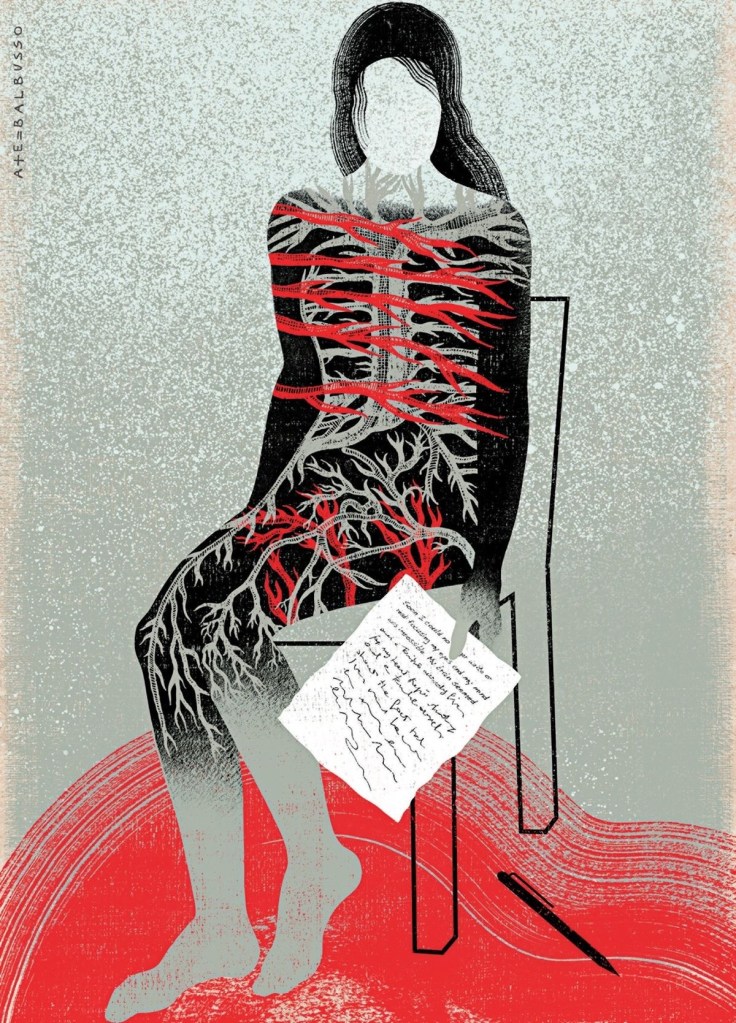
Medical historians identify the mid-20th century as the time when the scientific and medical communities acknowledged the existence of autoimmune diseases. Several conditions including sympathetic ophthalmia and endophthalmitis phacoanaphylactica, however, were proposed as autoimmune disorders much earlier. During the first half of the century, autoimmune disease was viewed as biologically implausible. Paul Ehrlich coined the term horror autotoxicus to emphasize that autoimmunity would contradict nature’s aversion to self-injury. The discoveries of allergy and anaphylaxis were the first clues that the immune system was capable of self-harm. A major obstacle to comprehending the pathogenesis of autoimmunity was how the immune system distinguishes foreign from self, a process eventually understood in the context of immune tolerance. Investigators of sympathetic ophthalmia and endophthalmitis phacoanaphylactica were positioned to invalidate horror autotoxicus but lacked sufficiently convincing experimental and clinical evidence to accomplish the task. Seminal studies of chronic thyroiditis and a series of clinical laboratory breakthroughs led to the general acceptance of autoimmune disease in the 1950s.
What’s Immunity?
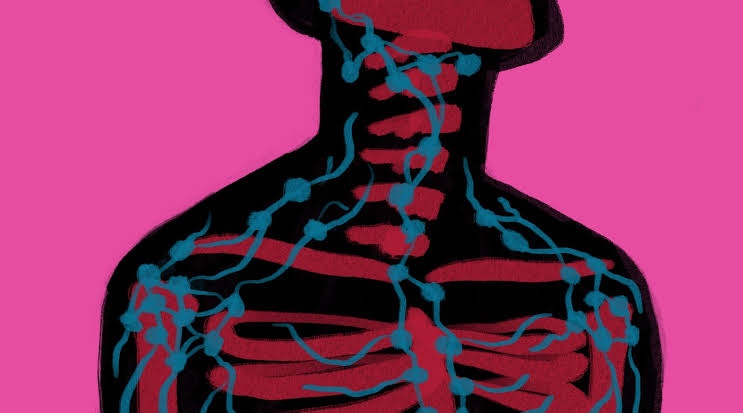
Before diving into the intricacies of immunity, we should first understand what immunity is.
Simply, we can state that immunity is a defence mechanism that our body had put on to fight against foreign invasions i.e. – infections, bacteria, fungi, protozoans, parasites, viruses, and the list goes on and on.
Immunity is broadly divided into two parts -:

1. Innate immunity – one that we possess from our birth, this immunity is non-specific and works for every intruder which tries to attack our body. It forms a protective wall for our castle (our body) eg- skin, mucous membrane, body secretions, fever, etc.
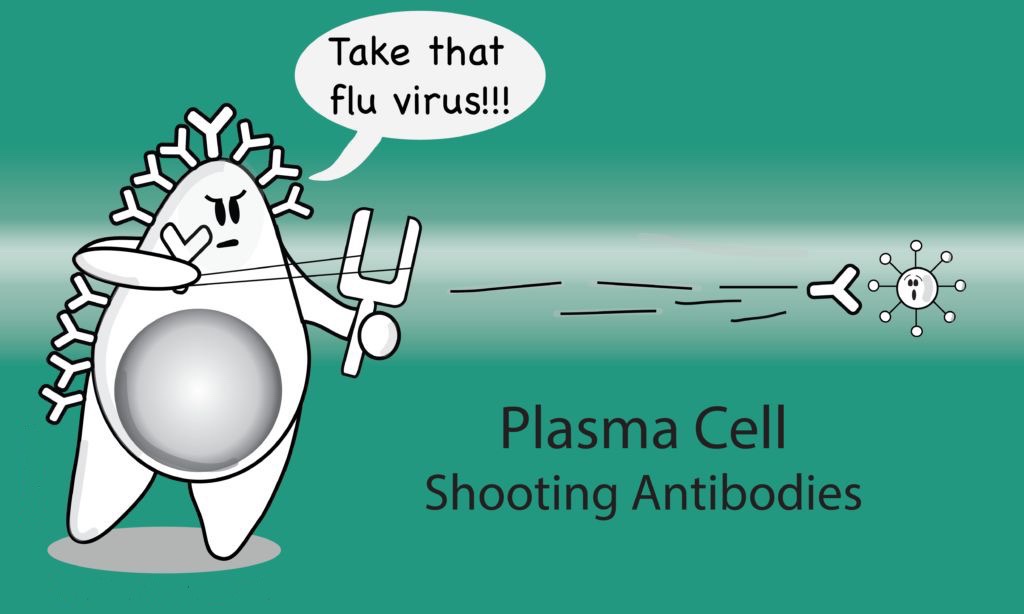
2. Acquired immunity – one that we acquire after birth, this complex version of immunity works on certain disciples -:
- This type of immunity is specific for its victims i.e. pathogens that try to infect our bodies, it is analogous to a scenario where there is a security guard that always checks the identity card on every cell of our body if any id card shows that the cell does not belong to our body security guard informs the police and they come to kill the intruding cell.
- This immunity has diversity because it is specific for every pathogen, it possesses diversity i.e. as the pathogen changes immunity also changes to deal with it some intruders are killed by bullets, some by bombs, and some by missiles.
- This immunity can differentiate between self and non-self cells i.e. it attacks the non-self cells but not the self cells.
- this immunity possesses memory i.e. on getting infected from a certain pathogen for the first time it first tries to find a perfect way to get rid of the pathogen after doing it, it kills the pathogen and also keeps the record of its findings for future ref., now if the same pathogen again tries to break in it instantly activates the immune response which is stronger and faster than before.
What is Auto-Immunity ?

Now we have the answer for – How does immunity work? Now let’s dive into auto-immunity.
Autoimmunity is mainly the complication of acquired immunity, I’ll try to explain it with some analogy-:
Let us consider a scenario, an intruder named Binod ( pathogen ) has entered a country ( body ) now the army ( immune system ) is trying to find and kill the intruder, but we don’t know where the intruder is roaming, to find the intruder an undercover agent ( T helper cell ) get to work, he is trying to find the intruder he questions everyone he met, he travelled across the country, and after a long search one day he saw a man who wasn’t looking like his countryman and suspected him to be an intruder he interrogated him and came to the conclusion that he is the intruder, he then sent a message to the headquarters and they dispatched a unit of the army to kill the intruder, the unit contained snipers ( T killer cells ), battalion with chemical bombs (B-Lymphocytes), they go to the destination and eradicates the intruder. This is the normal action of immunity, now for the abnormal part – now consider that in the above scenario the secret agent failed to identify the intruder Correctly and instead suspected his countryman ( body cell ) to be an intruder and informed the headquarters, which dispatched a unit, which kills the wrong suspect i.e. Their countryman, here instead of protecting, our own body got hurt.
In a nutshell, we can say that – when one’s immune system loses its ability to differentiate between self and non-self we say he/she is suffering from an Auto-immune Disorder.
Causes
The exact cause of the autoimmune disorders is still a mystery.
Some theories suggest that certain infections, drugs, environmental factors, and genetic factors confuse the immune system leading to an autoimmune disorder, this often happens in people which have genes that make them prone to it.
Examples
More than 80 autoimmune disorders are added to medical literature till now. Some more frequently occurring auto-immune disorders are as follows-:
- Addison disease – in this disease autoimmunity develops against the adrenal cortex which reduces cortisol and aldosterone levels in the body.
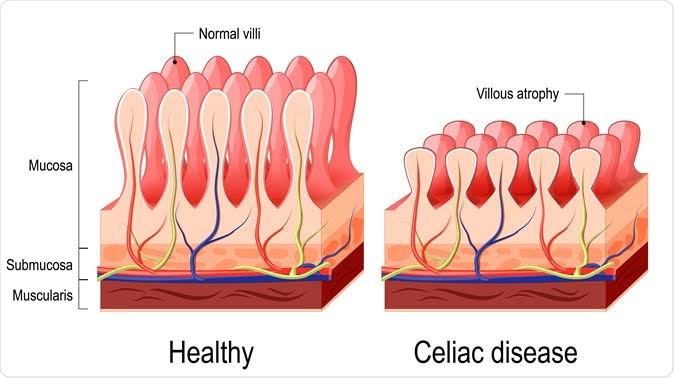
- Celiac disease – commonly referred to as gluten-sensitive enteropathy, as the name suggests when a person suffering from this disease eats gluten an immune response is triggered which damages the villi of the intestine.
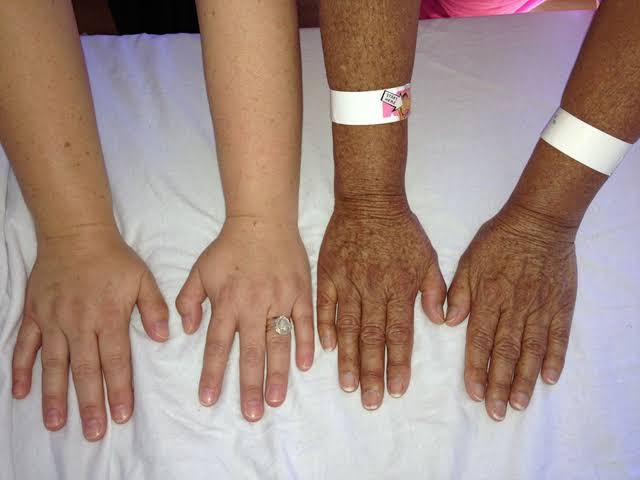
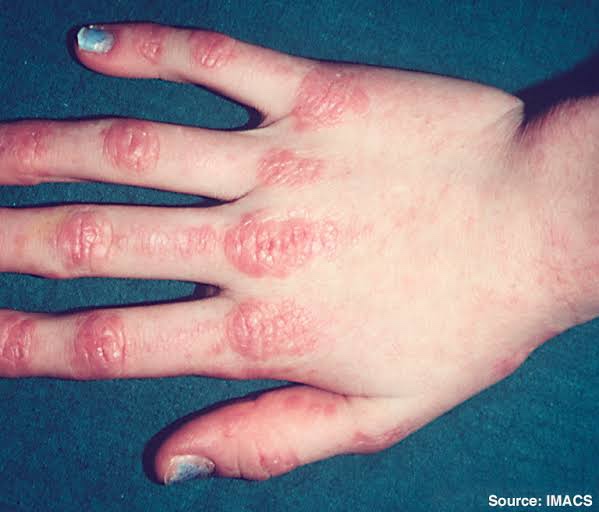
- Dermatomyositis – Dermatomyositis is a type of inflammatory myopathy characterized by inflammatory and degenerative changes in the muscles and skin.
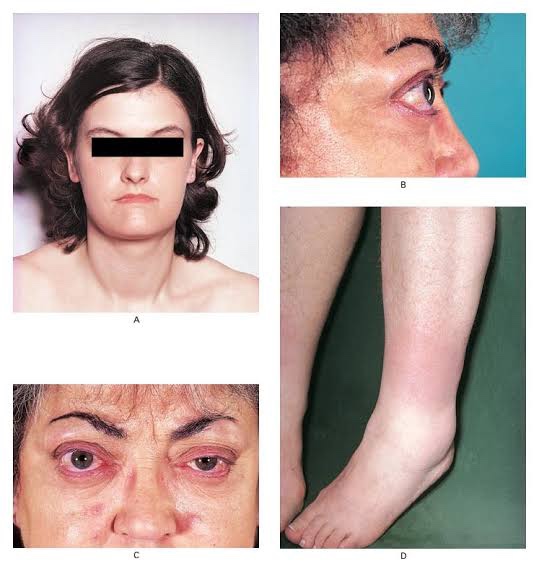
- Grave’s disease – is an autoimmune disorder that results in the overproduction of thyroid hormones.
- Hashimoto’s disease – in this immunity starts working against the thyroid gland causing the insufficient release of thyroid hormone.
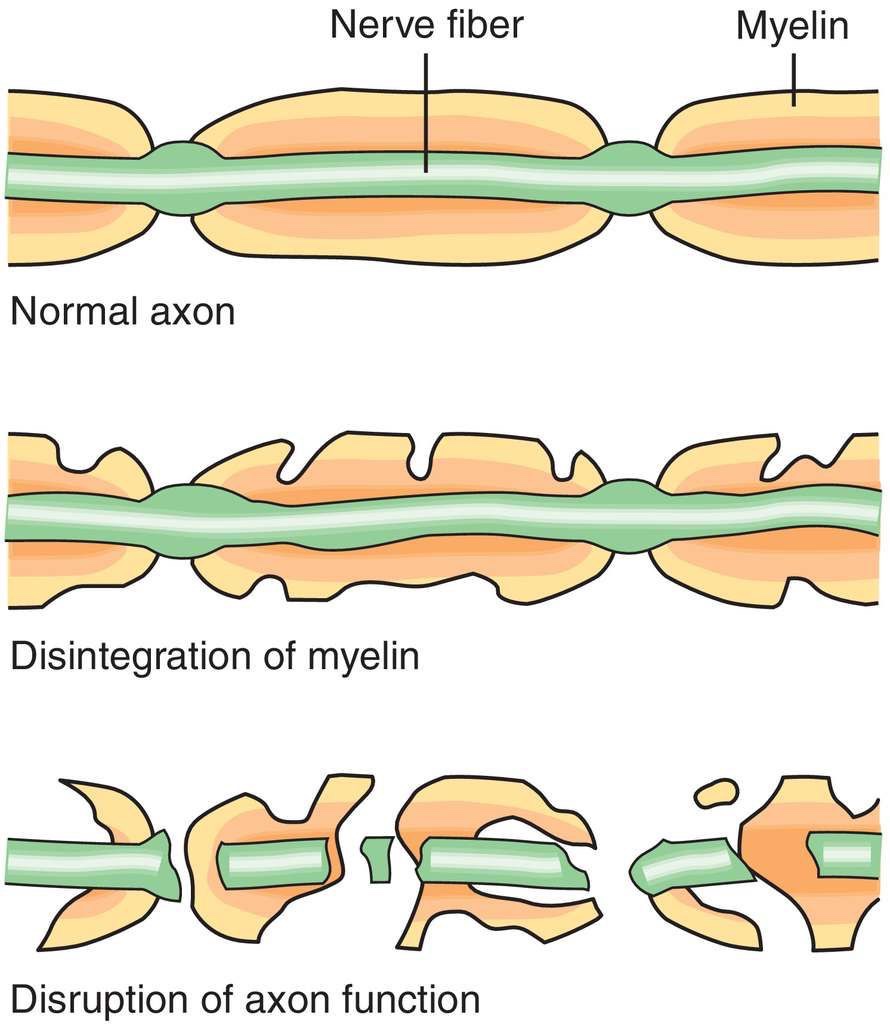
- Multiple sclerosis – in this disease immune system starts attacking the myelin sheath of neurons.
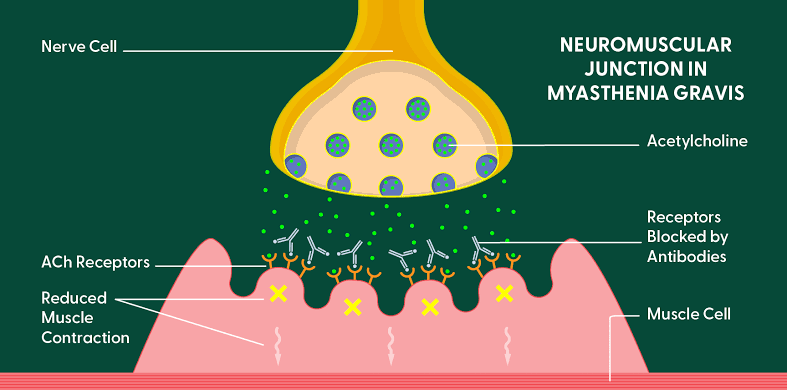
- Myasthenia gravis – in this immune system starts attacking the Ach receptors of the neuro-muscular junction.
- Pernicious anaemia – in this antibodies are formed against CIF which hampers the absorption of Vit-B12.
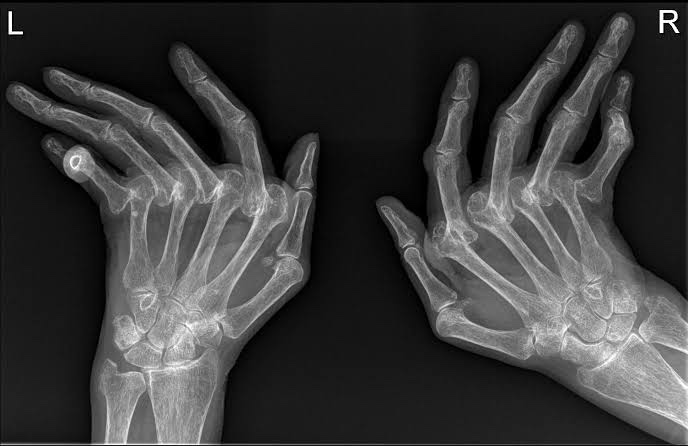
- Rheumatoid arthritis – in this antibodies are formed against synovial membrane of joints.

Treatment

Epidemiological studies have indicated autoimmune diseases to be the 10th most common cause of mortality in developing countries.
The major treatment strategy that is followed is the reduction of symptoms and improvement in quality of life, complete treatment for an autoimmune disorder is very rare.
To achieve better life certain protocols are followed firstly immunosuppressants are administered to the patients, symptomatic treatment is provided, B-cell targeting, anti-TNF strategies and anti-T cell treatment are also administered.


Leave a comment